
Views: 0 Author: Site Editor Publish Time: 2026-03-19 Origin: Site
Silicone foam gaskets are increasingly becoming the go-to solution for industrial sealing applications. Known for their outstanding thermal stability, weather resistance, and durability, these gaskets are designed to provide long-term sealing, cushioning, and protection in challenging environments. Whether you are in the automotive, electronics, or energy storage industry, silicone foam gaskets offer a combination of reliability and performance that traditional materials like EPDM, neoprene, or PU foams cannot match.
This guide will explore everything you need to know about silicone foam gaskets, including their properties, types, industrial applications, customization options, and tips for selecting the right material.
Silicone foam gaskets are fabricated from high-quality silicone foam materials, often in closed-cell or semi-closed-cell structures, which provide a balance of compressibility and resilience. These gaskets are designed to create a reliable seal between two surfaces, preventing leakage of air, water, dust, or chemicals.
Compared to standard rubber or foam, silicone foam exhibits superior temperature resistance, chemical stability, and long-term elasticity. This makes them especially suitable for industries with extreme conditions, including EV battery packs, power electronics, automotive HVAC systems, and outdoor enclosures.
Silicone foam gaskets can operate over a wide temperature range, typically from -60°C to +200°C, with certain grades suitable for intermittent exposure up to 300°C. This extreme temperature tolerance ensures reliable performance in applications such as:
Battery packs with high cell heat generation
Automotive under-hood sealing
High-temperature industrial equipment
Due to its high elasticity and low compression set, silicone foam can conform to uneven or irregular surfaces. This ensures:
Air-tight sealing for ventilation or electronic enclosures
Water and dust protection, meeting IP67, IP68
Vibration damping, reducing wear in mechanical assemblies
Silicone foam maintains mechanical and chemical properties even under prolonged exposure to:
UV radiation
Ozone
Humidity and rain
Outdoor weather conditions
This durability makes silicone foam gaskets ideal for outdoor enclosures, solar equipment, and transportation systems.
Many silicone foam materials meet UL94 V-0 or similar standards, providing fire protection in sensitive applications such as:
Battery packs
Electrical cabinets
Industrial machinery enclosures
Silicone foam also exhibits high dielectric strength and excellent insulation characteristics, making it suitable for:
EV and energy storage systems
Electronic housings and connectors
Control panels and switchgear
Silicone foam can be manufactured in closed-cell or open-cell structures, each with unique properties:
| Type | Characteristics | Typical Applications |
|---|---|---|
| Closed Cell | Water-resistant, airtight, high sealing ability | Battery packs, outdoor enclosures, automotive sealing |
| Open Cell | Soft, compressible, airflow-permeable | Cushioning, vibration damping, indoor applications |
For most industrial sealing applications, closed-cell silicone foam gaskets are preferred due to their superior resistance to water, dust, and chemical ingress.
Silicone foam gaskets are highly versatile and find applications in multiple industries:
Modern vehicles require reliable sealing solutions for:
Battery packs in EVs
HVAC systems for climate control
Lighting assemblies and under-hood components
Silicone foam gaskets help ensure waterproofing, vibration damping, and thermal insulation in automotive systems, even under high temperatures and harsh environmental exposure.
Battery safety is critical. Silicone foam gaskets are used in battery packs to:
Seal and insulate battery pack to prevent short circuits
Provide thermal insulation between cells and modules
Enhance fire protection by delaying heat propagation
Silicone foam gaskets are widely used in electronics for:
IP-rated sealing to protect against dust and water
Shock and vibration damping
Electrical insulation between components
In heavy machinery and industrial equipment, silicone foam gaskets ensure:
Sealing of control cabinets and enclosures
Noise reduction through vibration damping
Resistance to oil, chemicals, and temperature fluctuations
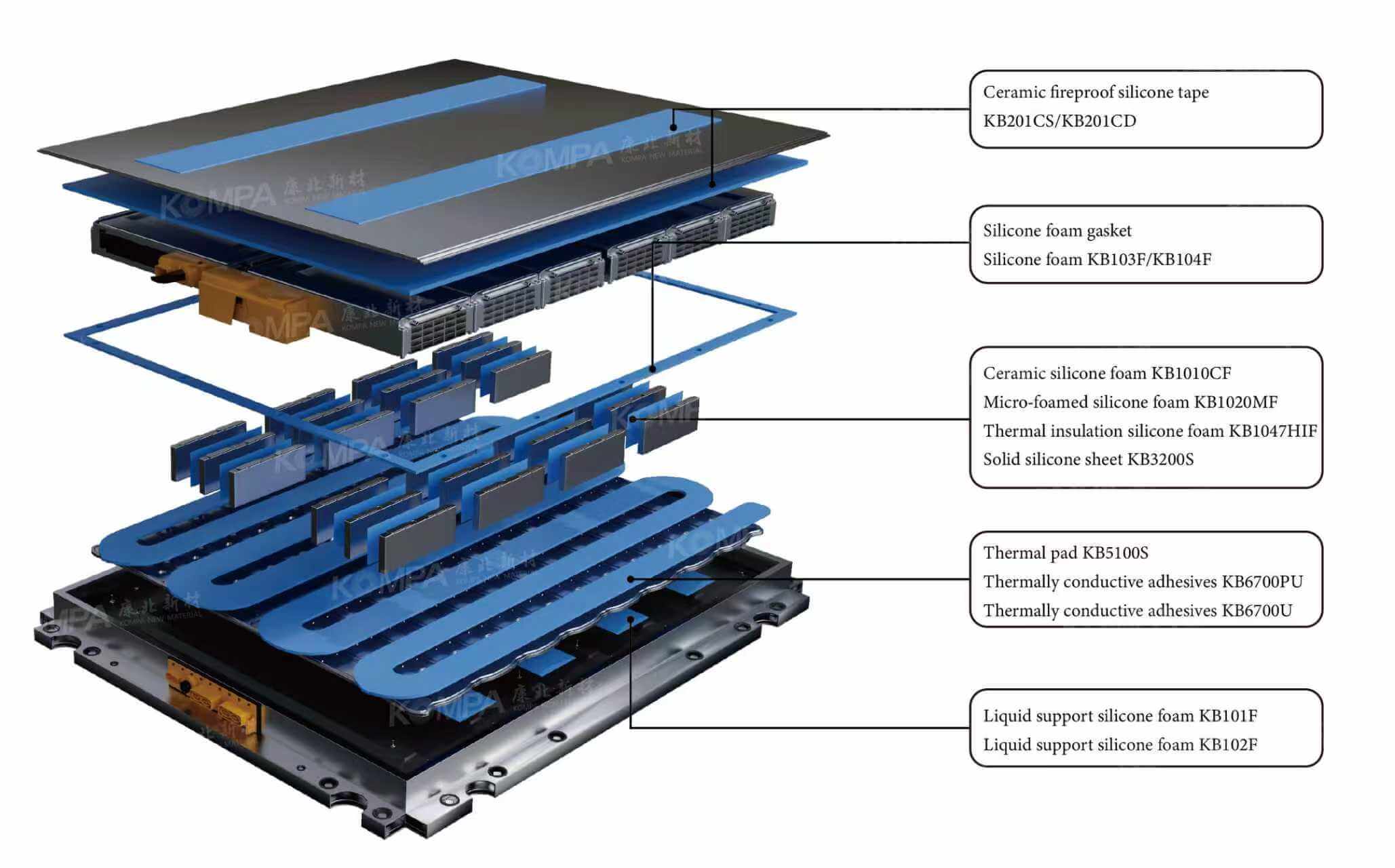
Compared to EPDM, neoprene, or PU foams, silicone foam gaskets offer:
Longer service life under extreme conditions
Excellent high-temperature performance
Low compression set and high elasticity
Stable mechanical properties under UV, ozone, and moisture exposure
These advantages make silicone foam ideal for safety-critical and high-end applications, especially in battery, automotive, and industrial equipment sectors.
At KOMPA Silicone Material, we offer fully customizable silicone foam gasket solutions:
Thickness range: Up to 25 mm
Density and hardness: Tailored to application requirements
Adhesive options: 3M adhesive or others
Precision fabrication: Die-cut, or molded gaskets
Material alternatives: Cost-effective options comparable to BISCO® HT800
This allows us to meet the exact requirements of our clients, from high-performance battery packs to industrial sealing projects.
When choosing a silicone foam gasket, consider the following factors:
Operating Temperature – Choose a material rated for your system's thermal range.
Compression & Sealing Needs – Ensure sufficient elasticity to fill gaps without excessive compression set.
Environmental Conditions – Consider UV, ozone, moisture, and chemical exposure.
Flame Retardancy Requirements – UL94 V-0 or similar standards may be needed.
Thickness & Density – Choose based on sealing pressure and space limitations.
If in doubt, our engineering team at Kompsi can recommend the most suitable silicone foam grade for your project.
A major EV manufacturer needed a high-temperature, water-resistant gasket for battery packs. Traditional EPDM foams failed under high cell heat and outdoor exposure. By switching to closed-cell silicone foam gaskets, the manufacturer achieved:
Stable operation up to 200°C
IP68-rated water and dust sealing
Reduced maintenance costs due to long-term durability
This example highlights how silicone foam gaskets can solve critical industrial challenges.
Q1: Can silicone foam gaskets be used outdoors?
Yes, closed-cell silicone foam gaskets are highly resistant to UV, ozone, and moisture, making them ideal for outdoor applications.
Q2: Are silicone foam gaskets flame retardant?
Many grades meet UL94 V-0 standards. Always confirm the specific grade for fire-sensitive applications.
Q3: What thickness can you provide?
At Kompsi, we offer silicone foam gaskets up to 25 mm thick, suitable for industrial sealing or cushioning needs.
Q4: Can they replace BISCO® HT800?
Yes, we provide cost-effective alternatives with similar thermal, mechanical, and electrical properties.
Silicone foam gaskets are the ultimate industrial sealing solution, offering unmatched temperature resistance, sealing performance, durability, and electrical insulation. From EV battery packs to industrial machinery, these gaskets provide long-term reliability where conventional foams fail.
At KOMPA Silicone Material, we specialize in custom silicone foam gasket solutions tailored to your exact requirements. Contact us today to find out how our gaskets can improve your industrial sealing applications.
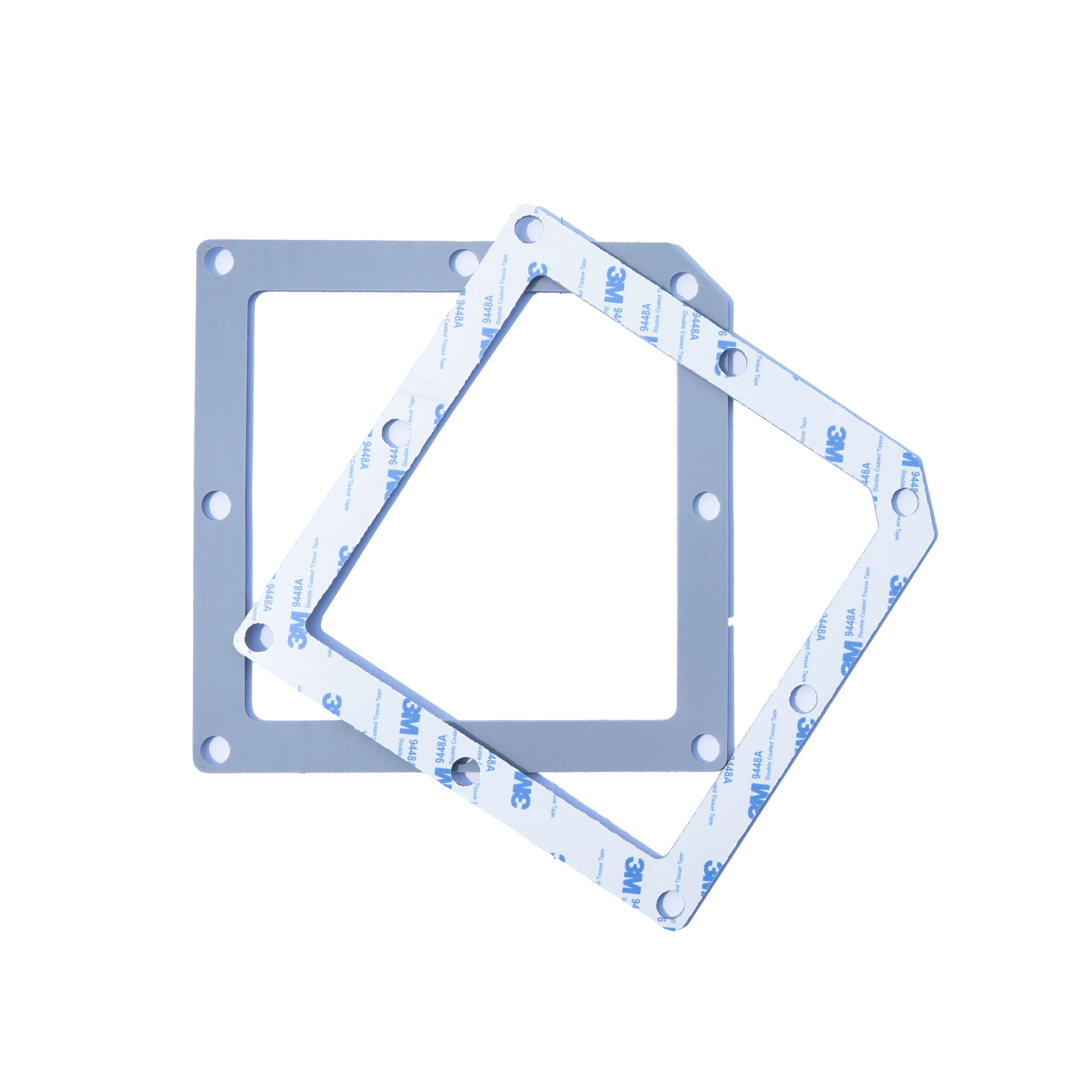
Used as a sealing gasket around battery pack enclosures to prevent dust, moisture, and gas leakage.
Provides flame-retardant barriers and thermal insulation, helping slow fire propagation and protecting cells from thermal runaway.
Maintains long-term compression set resistance even under high temperatures and pressure cycles.
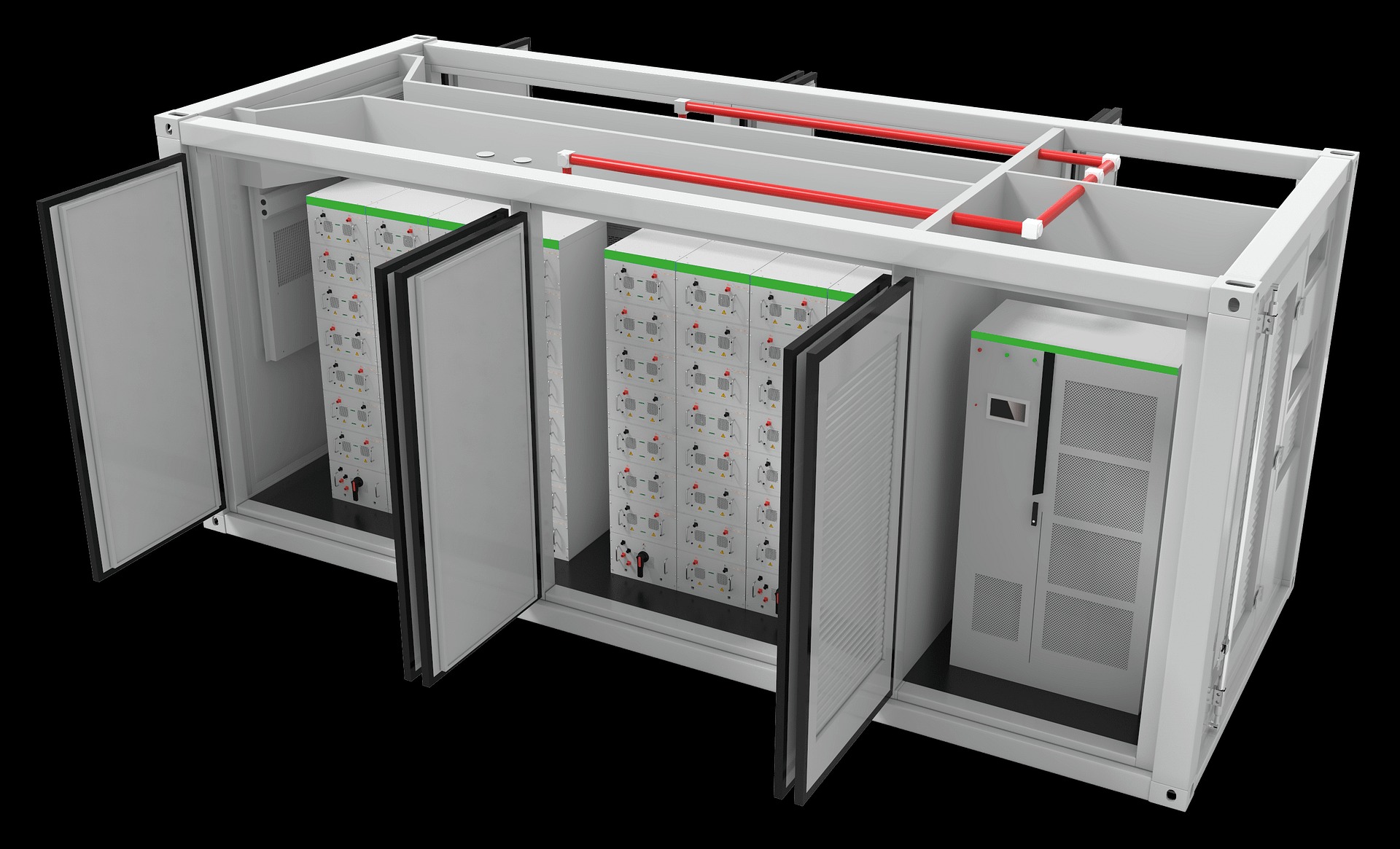
Energy storage cabinets (thermal & electrical insulation)
Acts as thermal barriers to reduce heat transfer between battery modules and cabinet structures.
Offers electrical insulation to prevent short circuits or arcing within compact spaces.
Supports environmental sealing against dust, moisture, and vibration.
Our Key Partners Include
Huawei – Global leader in communications, smart devices, and energy solutions
ZENERGY – Trusted supplier specializing in new energy battery systems
SAIC Motor – One of China’s largest and most innovative automotive manufacturers
Dongfeng Motor – Leading state-owned company in commercial and passenger vehicles
CRRC – World’s largest manufacturer of rail transit equipment and systems.
CALB – Global innovator in lithium battery technology and energy storage solutions
Why KOMPA? Unlike global giants that serve broad markets, we focus on energy applications, making us the ideal partner for battery manufacturers, EV OEMs, and energy storage integrators.
KB103F Silicone Foam
https://www.kompsisiliconematerial.com/closed-cell-silicone-foam-kb103f.html
EV Battery Materials
https://www.kompsisiliconematerial.com/electric-battery-system.html
Energy Storage Materials
https://www.kompsisiliconematerial.com/photovoltaic-energy-storage.html
Contact KOMPA for Samples, Pricing or Technical Support
Our engineering team can help you choose the best silicone foam solution for your EV, ESS or industrial project.
Email: jenny@kompanewmaterials.com
Website: www.kompsisiliconematerial.com


